Blacktown City Council · orientation, not planning advice
Does your sign need approval in Blacktown?
Blacktown is one of the largest council areas in NSW by population, and it is still growing — established centres like Blacktown and Mount Druitt, big industrial estates around Arndell Park and Eastern Creek, and new suburbs going in across the Marsden Park corridor. The signage rules are the same NSW framework everywhere, but what they mean for you depends on which of those three worlds your premises sits in.
In one paragraph
Blacktown City Council publishes no single signage page we could find, so start from the state rules. A sign that meets the NSW exempt-development standards for its type needs no approval anywhere in NSW, Blacktown City Council included; one that does not is an application to Blacktown City Council before anything is made.
Rules change and this page is general orientation only — confirm with your council before you order anything.
Last reviewed September 2026. Rules change and this page is general orientation only — confirm with Blacktown City Council before you order anything.
Is your sign exempt?
The first question, and the cheapest one
NSW's state-level exempt development provisions let some smaller, unlit business identification signage go up without consent — and in Blacktown's industrial and commercial zones, more signage tends to fit inside those limits than it would in a heritage main street. But the limits are real: size, position, illumination and zoning all matter, and the exemption you have heard about may not be the one that applies to your building.
Search Blacktown City Council's website for “signage” and their development control plan, or call the council's duty planner and ask directly: “Is this exempt development, or do I need consent?” Ten minutes on the phone is cheaper than a sign you cannot display.
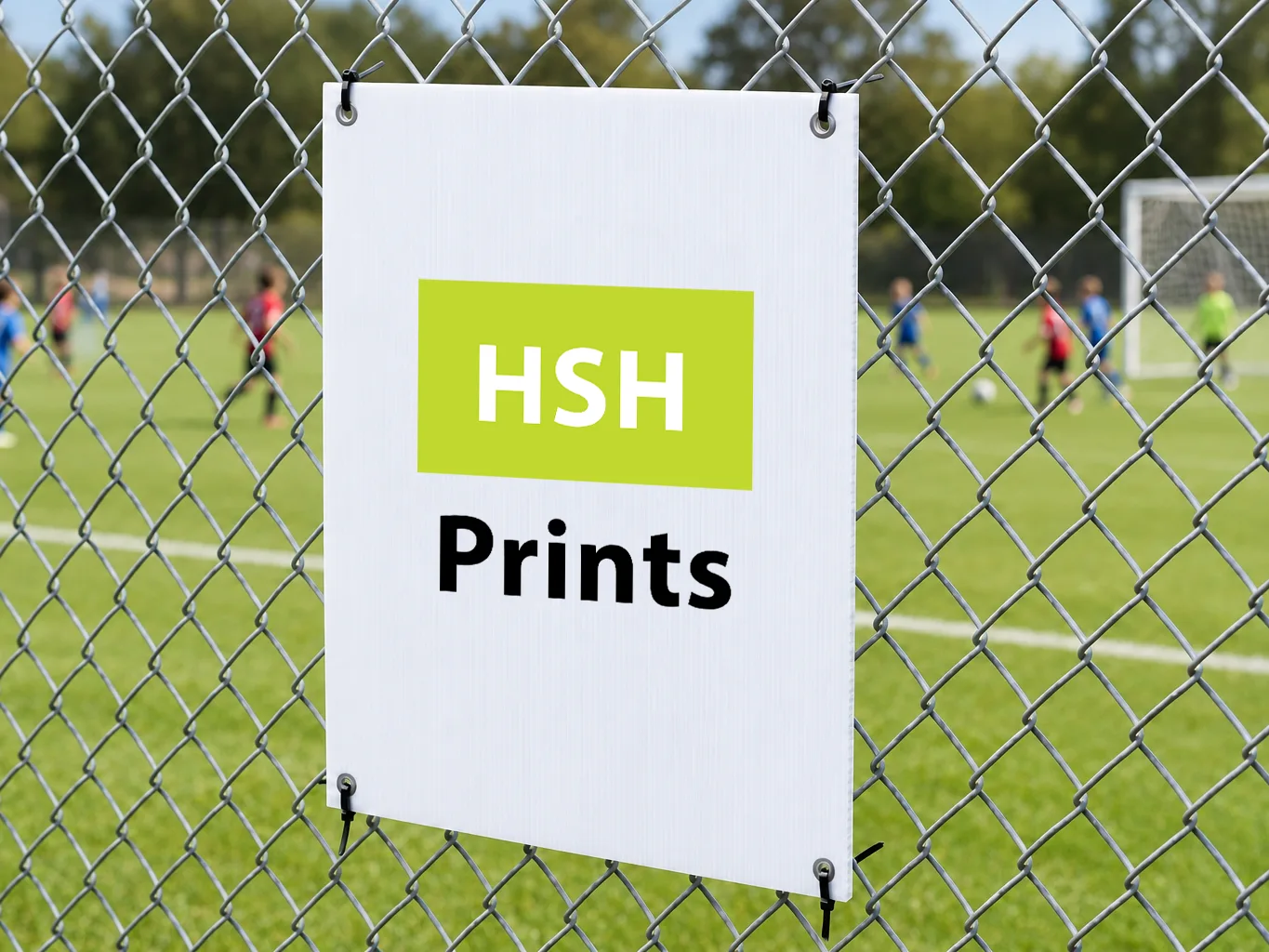
Once you know the answer, the shopfront signage page is where the making starts — and for site and safety signage on industrial premises, corflute signs cover a lot of what these estates actually order.
The signs this applies to
Made in NSW, proofed before they run
What tends to trigger approval here
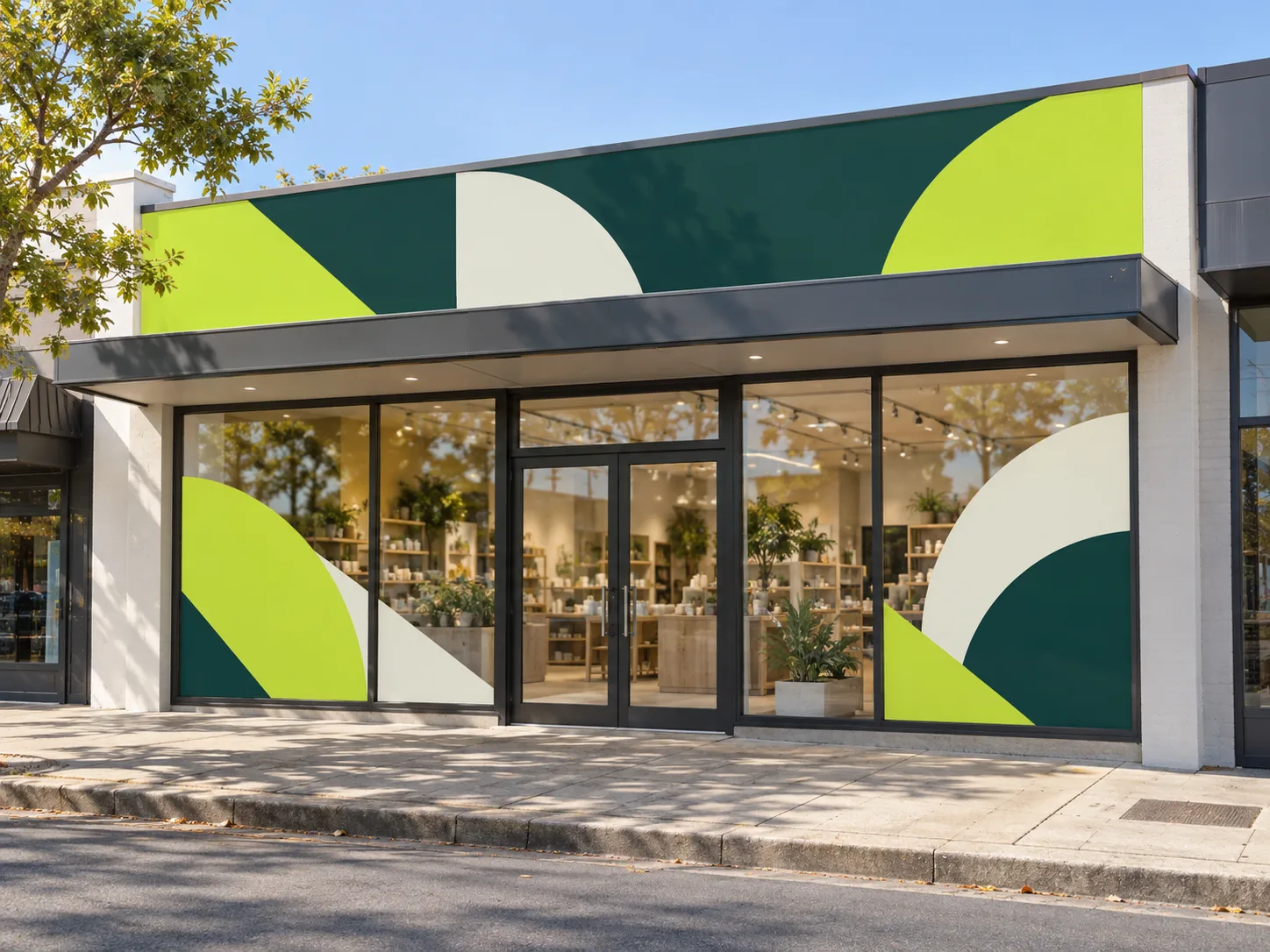
- Building-mounted signage — fascia panels, pylon signs, illuminated boxes, fabricated letters. Pylon and freestanding signs are common on industrial estates and main-road frontages here, and their height and size is exactly the kind of thing that decides whether consent is needed.
- Illumination. A lit sign is treated differently from an unlit one, and anything moving, flashing or changeable is more restricted again — particularly on main roads, where traffic-distraction rules also come into play.
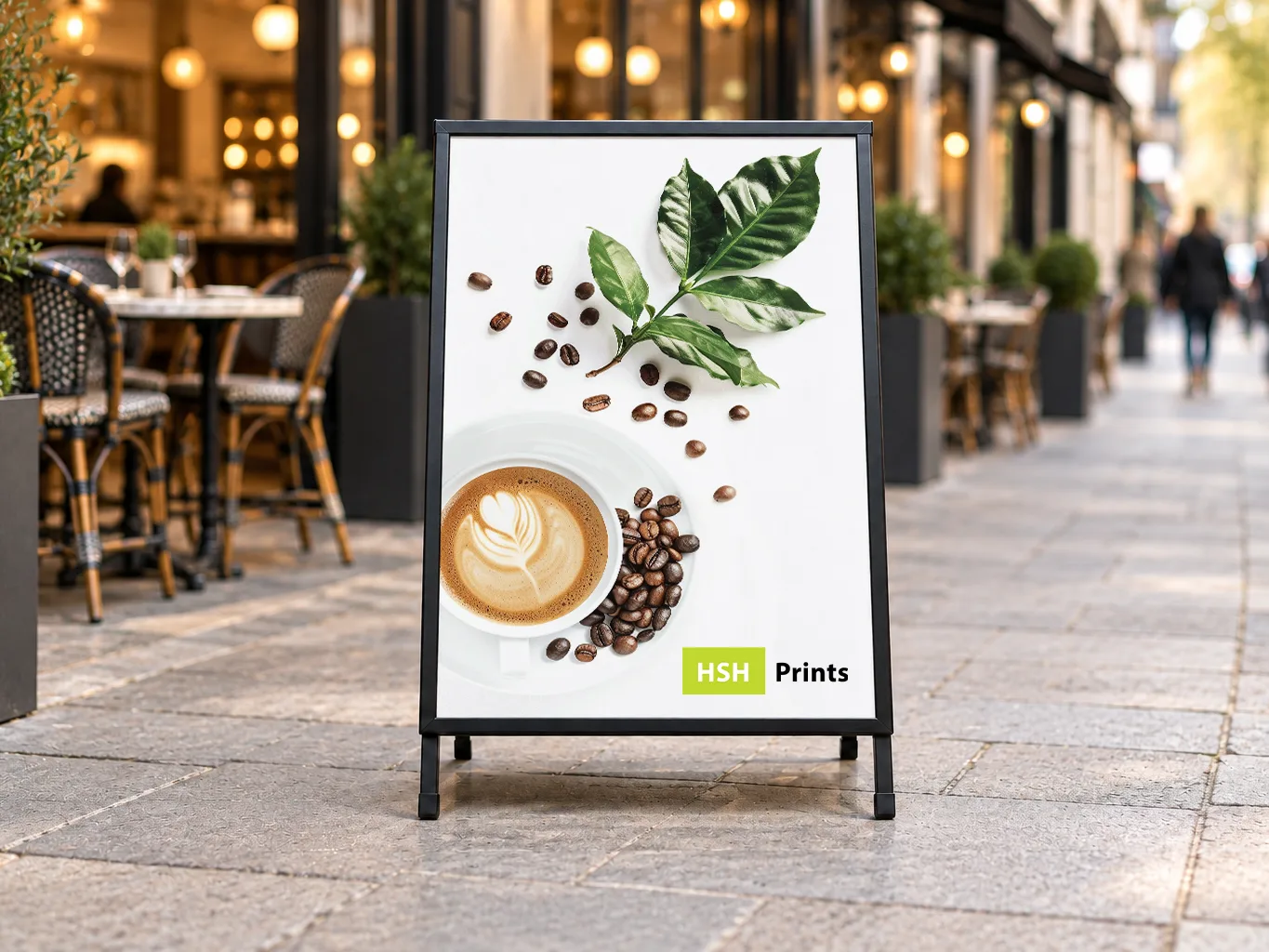
- Footpath signs. An A-frame outside a shop in Blacktown or Mount Druitt sits on council-managed footpath, with its own placement and permit rules.
- New-release areas. In growth suburbs like Marsden Park, developer design guidelines and estate covenants can sit on top of council rules — a second set of approvals the council will not mention because it is not theirs.
Heritage and character areas
Blacktown has fewer heritage conservation areas than the inner city, but they exist — individual heritage items are scattered across the LGA, including in its older town centres. On a listed building, exemptions that would otherwise apply often fall away. If you are not sure whether your premises is affected, ask the duty planner when you call; it is a lookup they can do while you are on the phone.
What the application involves
If your sign needs consent, the council will want to see exactly what is proposed: dimensioned drawings, the sign's position on the building or the lot, materials and finishes, and illumination details if it is lit. Approval runs in weeks, not days — almost always longer than fabrication — so start it before you order.
Your landlord is a separate approval. Council consent is not permission from the building owner, and commercial and industrial leases routinely require written approval before anything is fixed to the structure. On strata-titled industrial units, the body corporate has a say too.
What we can do
We make the sign, and we can supply what an application usually needs: dimensioned drawings, a scaled elevation showing the sign on the building, and the materials and finishes. Ask when you book your site measure and we will produce them as part of the quote.
For an early conversation with a planner, the free add dimensions to a photo tool is often enough — photograph the frontage, draw the proposed sign on it with real measurements, and take that to the call.
If the sign needs consent, that timeline runs alongside ours rather than after it. Tell us at the site measure and we will schedule fabrication around it.
Common questions
What people ask before they order
Does a sign on a heritage building need approval?
Often it does, even where the same sign would be exempt elsewhere, because exemptions narrow or disappear on heritage items and in conservation areas. Blacktown City Council decides for your address, so ask it directly with the sign’s size, position and whether it is lit.
Do I need a permit for an A-frame on the footpath?
Usually yes. A footpath is council-controlled land, so an A-frame outside your shop is normally covered by a permit under Blacktown City Council’s own rules rather than by your own approval, with conditions on size, position and keeping the path clear. Check its website for the footpath or A-frame requirements before the sign goes out.
When does a sign approval take effect, and how long does it last?
From the date on the decision notice, with conditions, including how long you have to act on it before it lapses. That period is on the notice itself, so read it before you order; if the sign has changed from the one approved, ask the council whether the approval still stands.
Related
Last updated .