Guide · artwork & materials
Corflute or ACM for your sign?
Corflute if it comes down within a year; ACM if it stays up. In Australian sun and coastal air the difference shows after one summer, not several — and because both are made in the state they are going to and freighted by volume, the cheaper board is not always the cheaper sign once delivery is counted. Here is how each lasts, and when to pay for the tougher one.
Corflute
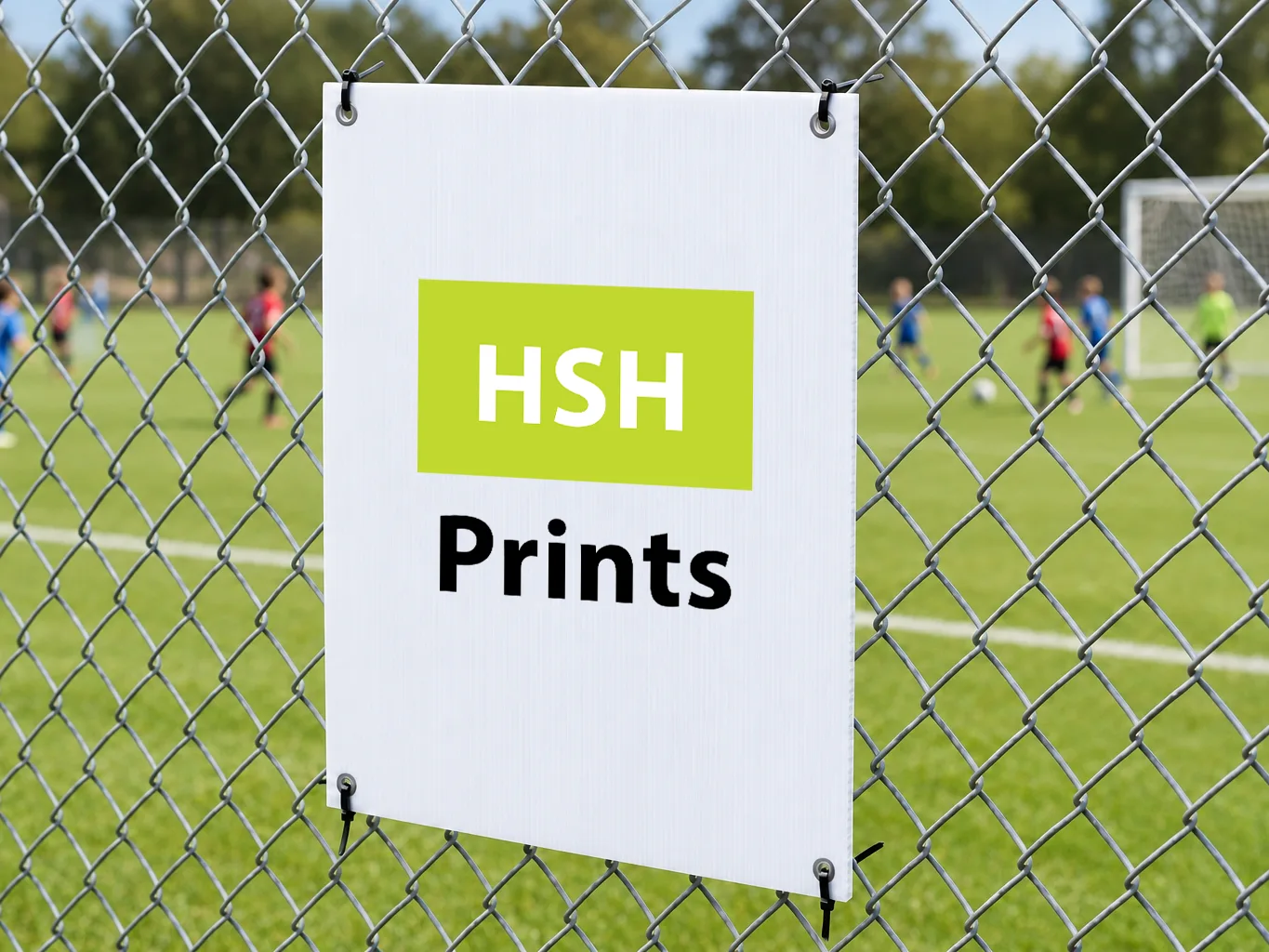
Fluted polypropylene — corrugated plastic, essentially plastic cardboard (what corflute is). Light, cheap, and printed directly. The flutes run one way, which matters: a sign is much stiffer across the flutes than along them, and a large panel with the flutes running the wrong way will bow.
Lasts six to eighteen months outdoors in practice, against a rated maximum of 24 months on the sheet before UV makes it brittle and the colours fade. Use it for real estate boards, election signs, event and site signage, anything temporary.
What we print for this
Proofed before they run

ACM
Aluminium composite — two thin aluminium skins bonded either side of a polyethylene core. Rigid, genuinely flat, and it stays that way. Commonly known by brand names like Dibond or Alucobond.
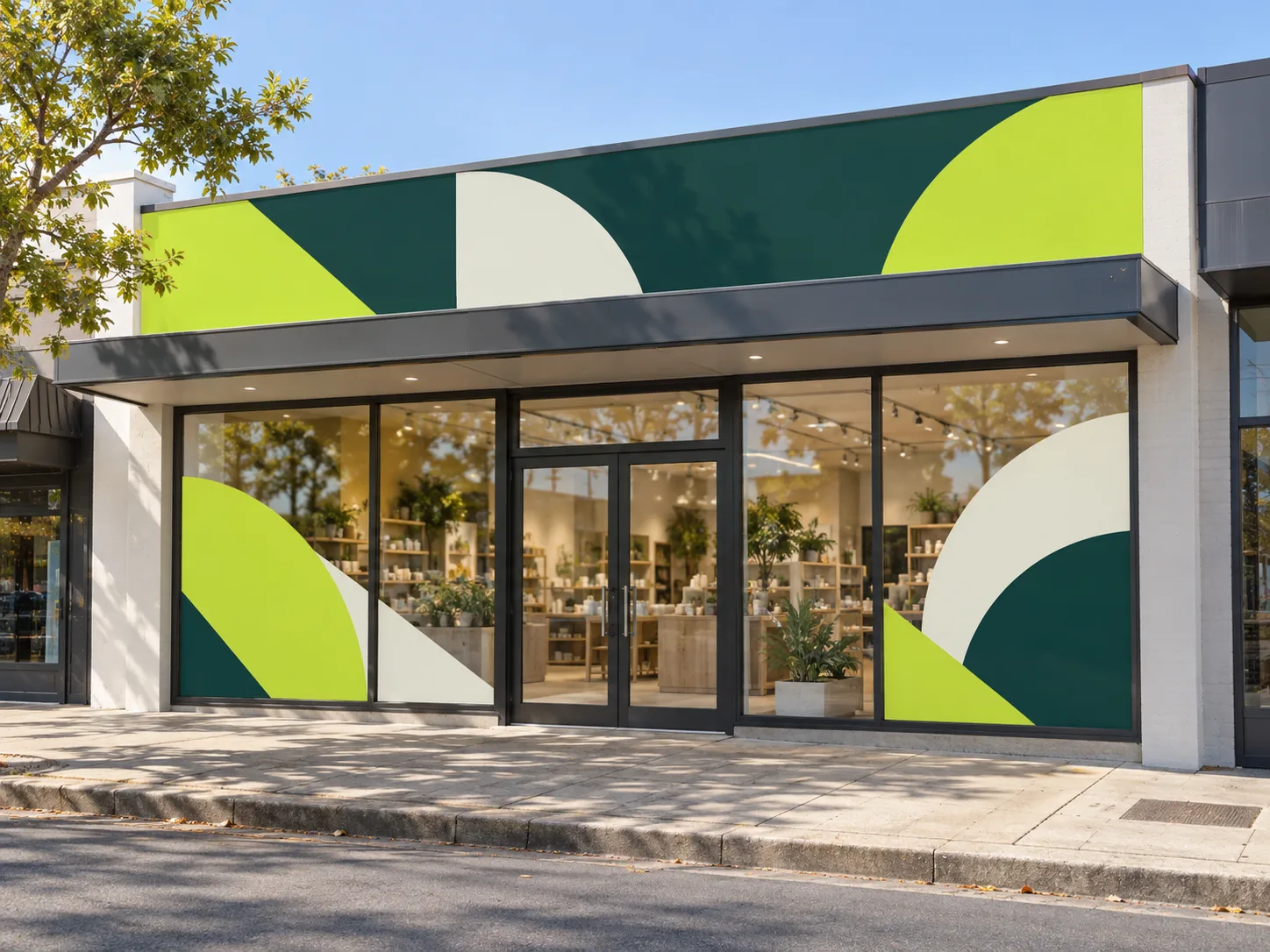
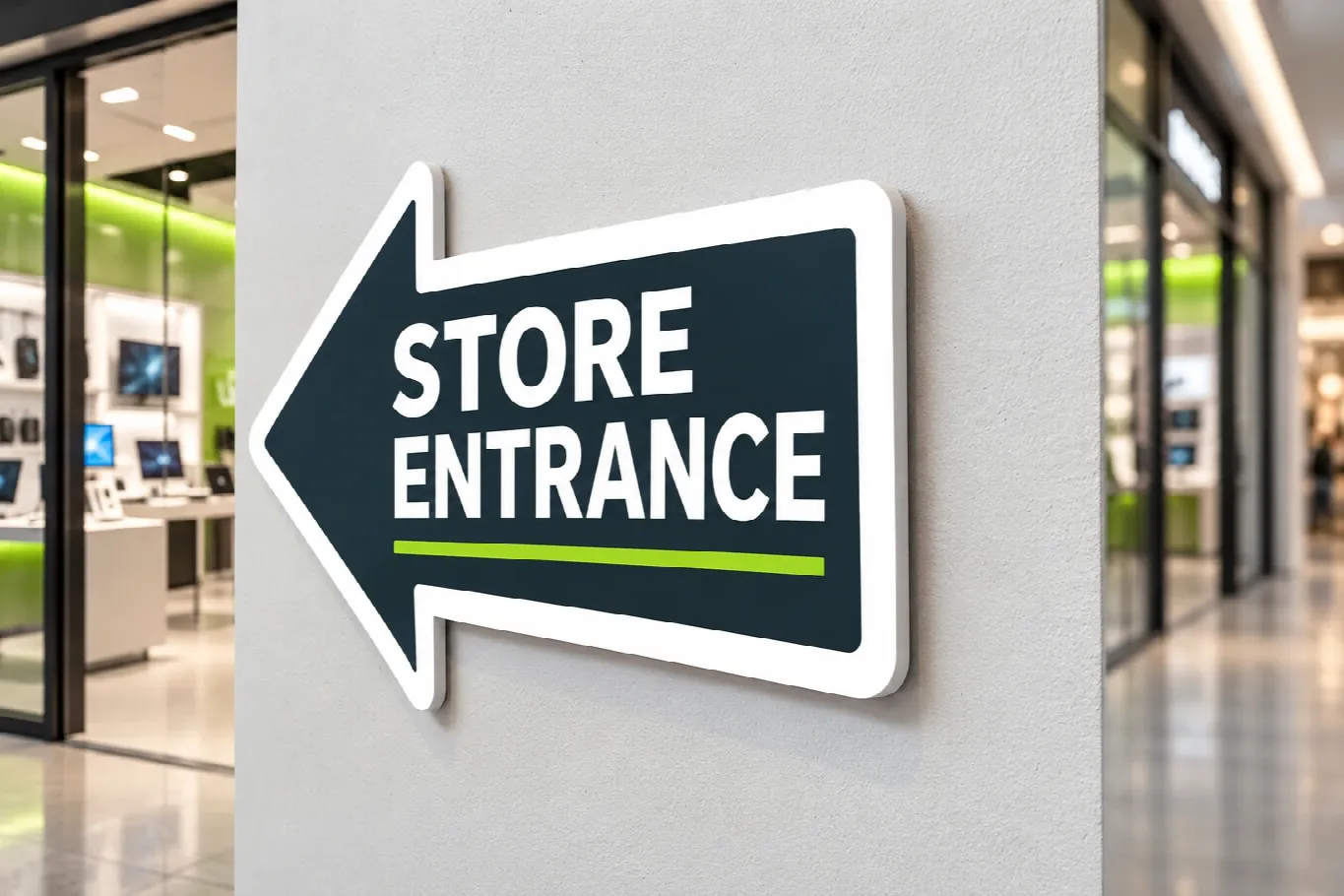
Lasts ten years as a board, five as a printed sign. The aluminium skin carries a ten-year outdoor warranty on its published data sheet; the print on it is rated to five. Those are two different numbers and most sellers quote only the flattering one. Use it for directory and wayfinding boards, and anything that has to look professional close up.
Side by side
| Corflute | ACM | Foamboard | Acrylic | |
|---|---|---|---|---|
| Outdoor life | 6–18 months | 5–10 years | indoor only | 5–10 years |
| Relative cost | $ | $$$ | $ | $$$$ |
| Rigidity | Flexes | Rigid, flat | Dents easily | Rigid, brittle |
| Weight | Very light | Moderate | Very light | Heavy |
| Typical use | Real estate, events | Shopfronts, wayfinding | Exhibitions, POS | Reception, premium |
The mistake is buying corflute for a permanent sign to save money. Replacing it twice a year costs more than ACM within eighteen months, and a faded, bowing sign on your own shopfront says something about the business that no design can undo.
Practical notes
- Allow 5mm bleed, not 3mm. Router cutting is less precise than a guillotine.
- Tell us the flute direction for anything over about a metre, or how it will be fixed.
- Corflute takes eyelets badly under load — it tears. Use a frame or backing for anything exposed to wind.
- Resolution can be low. These are read from metres away; 120dpi is plenty. See the resolution guide.
- Freight matters more than you expect. Rigid board is bulky, which is exactly why we produce it close to where it is going.
Common questions
Should I use corflute or ACM for my sign?
Use corflute if the sign comes down within a year, and ACM if it stays up. Corflute is fluted polypropylene — light, cheap, printed directly. ACM is two thin aluminium skins bonded either side of a polyethylene core: rigid, genuinely flat, and it stays that way. The price difference is real and so is the difference in how they look after a winter.
How long does corflute last outside?
Corflute lasts six to eighteen months outdoors before UV makes it brittle and the colours fade. That is what it is for — real estate boards, election signs, event and site signage. Buying corflute for a permanent sign to save money costs more than ACM within eighteen months, and a faded, bowing sign on your own shopfront says something no design can undo.
How long does ACM last outside?
Two answers, and you need both. The board’s published data sheet warrants the painted aluminium skin for ten years outdoors, and rates the printed graphic on it to five. So a plain or fabricated ACM sign is a ten-year item; a printed one is a five-year item on a ten-year board, and what fades first is the artwork. It stays rigid and flat throughout either way, which is why it is the standard substrate for directory boards and wayfinding. It is commonly sold under brand names like Dibond or Alucobond.
How much does a corflute sign cost?
Five 600 × 900mm corflute signs are $160 including GST and delivery, dropping to $24.70 each at ten. Turnaround is 2-4 working days from payment, delivered, and production runs at the nearest press we work with — rigid board is bulky and light, so couriers charge by volume and an interstate run can cost more than the signs.
How much bleed does a routed sign board need?
Allow 5mm of bleed on every edge for corflute and ACM, rather than the 3mm a guillotined paper job needs. Router cutting is less precise than a guillotine. Tell us the flute direction for any corflute panel over about a metre, or how it will be fixed: corflute is much stiffer across the flutes than along them, and a large panel with the flutes running the wrong way will bow.
What resolution does a sign board need?
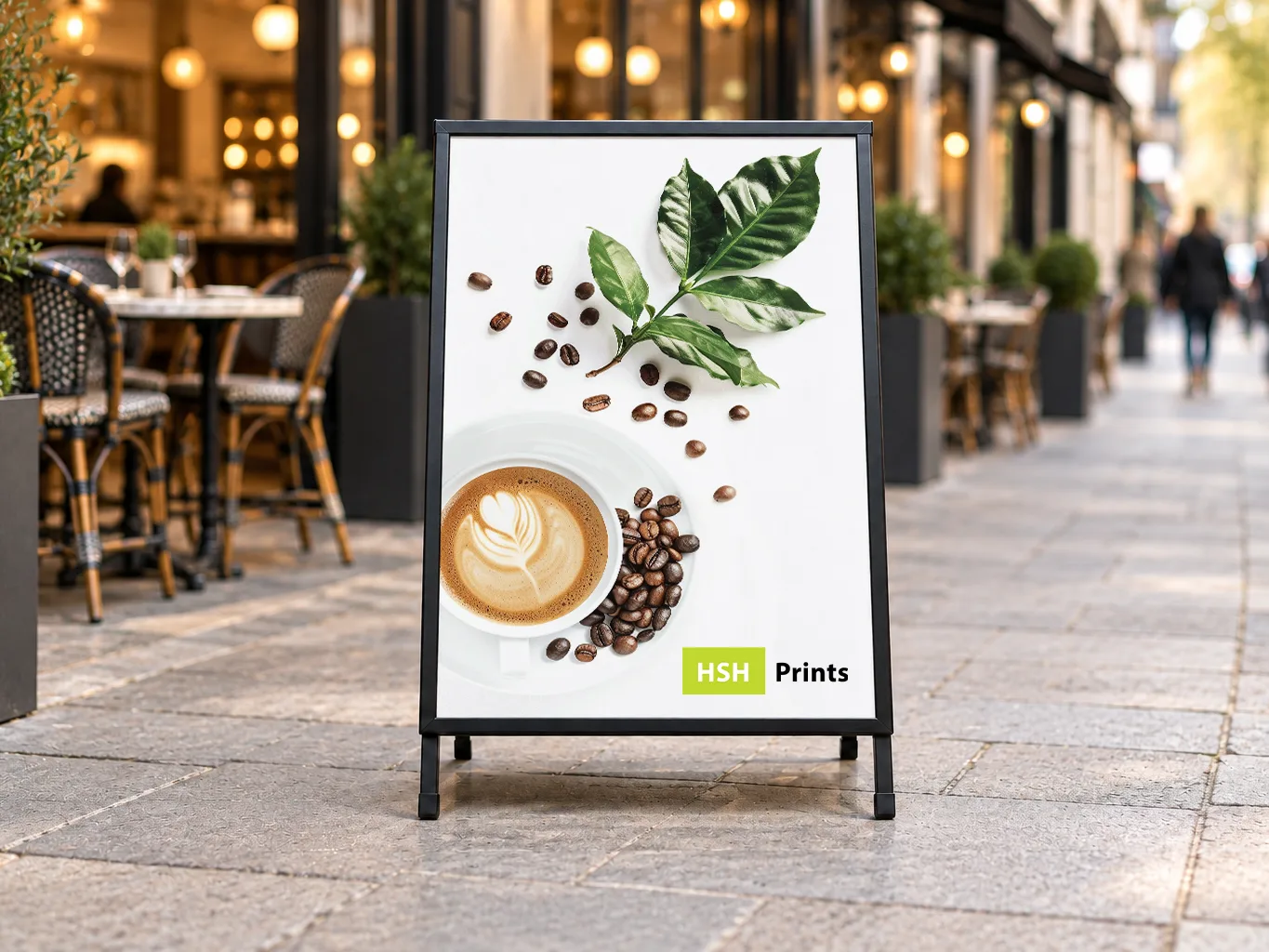
120dpi at final size is plenty for corflute and A-frame panels, because they are read from two to five metres away. Corflute also takes eyelets badly under load — it tears — so use a frame or a backing for anything exposed to wind rather than relying on eyelets alone.
Next
Last updated .