City of Newcastle · orientation, not planning advice
Does your sign need approval in Newcastle?
Newcastle's commercial fabric runs from the heritage East End and the Hunter Street spine through Darby Street, Beaumont Street in Hamilton, and out to the industrial suburbs along the river. The older and closer to the harbour your premises is, the more likely heritage rules shape what signage you can display — and the more worthwhile a ten-minute call to the council becomes before you spend anything.
In one paragraph
The City of Newcastle assesses signage under section C9, Advertising and signage, of its Development Control Plan 2023, on top of the state exempt-development standards. A sign that meets the state standards for its type may need no approval; one that does not is a development application, and section C9 is what the council assesses it against.
Rules change and this page is general orientation only — confirm with your council before you order anything.
Last reviewed September 2026. Rules change and this page is general orientation only — confirm with the City of Newcastle before you order anything.
Is your sign exempt?
The first question, and the cheapest one
NSW's state-level exempt development provisions allow some smaller, unlit business identification signage without consent, subject to limits on size, position, illumination and zoning — and with the usual catch that exemptions narrow or disappear on heritage items and in conservation areas. Newcastle's city centre has plenty of both, so the same sign can be exempt in one suburb and need consent three kilometres away.
Search the City of Newcastle's website for “signage” and their development control plan, or call the council's duty planner and ask directly: “Is this exempt development, or do I need consent?”
Once you know what you are allowed to display, start from the shopfront signage page — measured on site, then quoted.
The signs this applies to
Made in NSW, proofed before they run
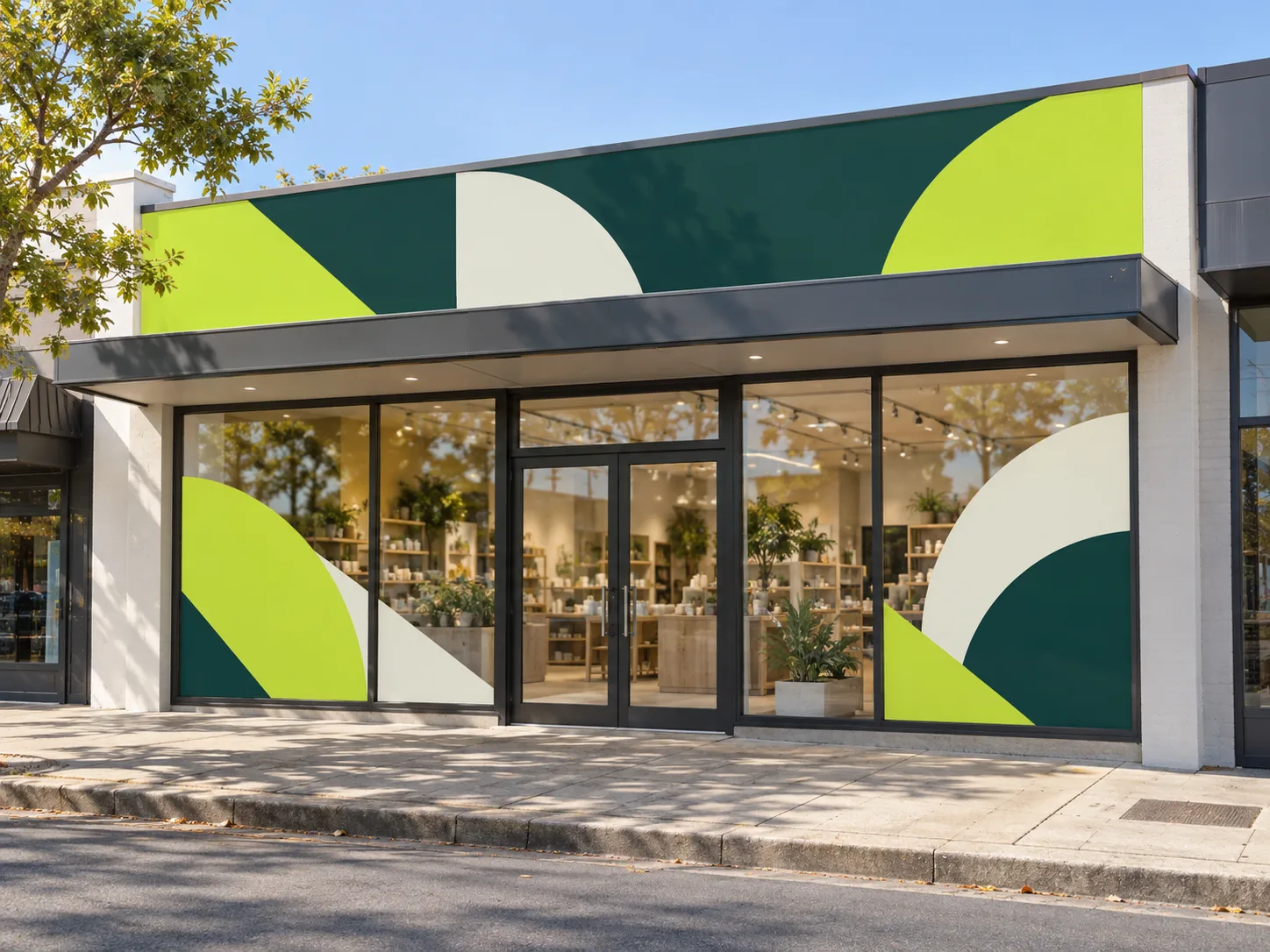
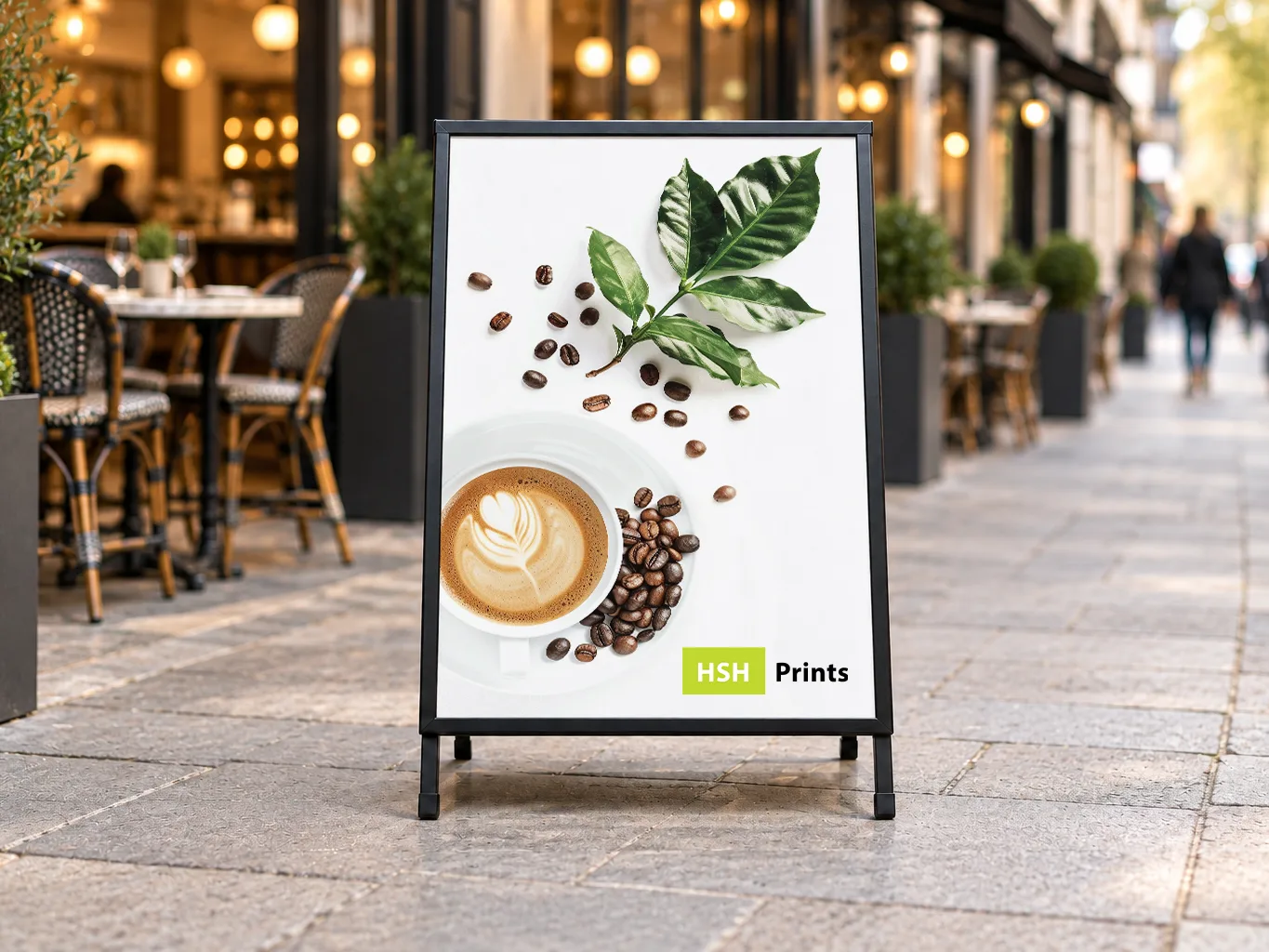
What tends to trigger approval here
- Building-mounted signage — fascia panels, projecting signs, illuminated boxes, fabricated letters — is the most regulated category, and on the older streets the council will look at how the sign meets the building, not just its size.
- Illumination. A lit sign is a different question from an unlit one, and with apartments now above much of Hunter Street and the East End, light spill toward residential windows is part of the assessment. Moving or changeable displays are more restricted again.
- Footpath signs. An A-frame on Darby or Beaumont Street sits on council-managed footpath, with placement, clear-passage and permit rules of its own.
- Cumulative limits. The number of signs already on a premises affects whether one more is allowed — worth knowing before a second tenancy sign goes up.
Heritage, which matters more here than most places
Newcastle kept a great deal of its nineteenth-century commercial architecture, and the East End in particular is dense with heritage items and conservation controls. On these buildings, exemptions that would otherwise apply often fall away, and the conversation moves to fixing methods, materials, and whether the sign sits within the building's existing signage zones — the fascia band, the awning, the windows.
Heritage streets still get good signage; they just get it deliberately. Painted or applied lettering, window graphics and hanging signs under awnings are the shapes that tend to sit comfortably on these frontages, and they are all things we make.
What the application involves
If your sign needs consent, the council will want the specifics: dimensioned drawings, the sign's position on the building, materials and finishes, and illumination details if it is lit. Approval runs in weeks and is usually the longest part of the job — longer than fabrication and installation combined.
Your landlord or strata is a separate approval. Council consent is not the building owner's permission, and most commercial leases require written sign-off before anything is fixed to the structure.
What we can do
We make the sign, and we can supply what an application usually needs: dimensioned drawings, a scaled elevation showing the sign on the building, and the materials and finishes. Ask when you book your site measure and we will produce them as part of the quote.
For an early conversation with a planner, the free add dimensions to a photo tool is often enough — photograph the shopfront, draw the proposed sign on it with real measurements, and take that to the call.
If the sign needs consent, that timeline runs alongside ours rather than after it. Tell us at the site measure and we will schedule fabrication around it.
Common questions
What people ask before they order
Does a sign on a heritage building need approval?
Often it does, even where the same sign would be exempt elsewhere, because exemptions narrow or disappear on heritage items and in conservation areas. City of Newcastle decides for your address, so ask it directly with the sign’s size, position and whether it is lit.
Do I need a permit for an A-frame on the footpath?
Usually yes. A footpath is council-controlled land, so an A-frame outside your shop is normally covered by a permit under City of Newcastle’s own rules rather than by your own approval, with conditions on size, position and keeping the path clear. Check its website for the footpath or A-frame requirements before the sign goes out.
When does a sign approval take effect, and how long does it last?
From the date on the decision notice, with conditions, including how long you have to act on it before it lapses. That period is on the notice itself, so read it before you order; if the sign has changed from the one approved, ask the council whether the approval still stands.
Signage and printing in Newcastle
Once you know what you can display
Related
Last updated .