Sunshine Coast Council · orientation, not planning advice
Does your sign need approval on the Sunshine Coast?
Sunshine Coast Council covers the emerging Maroochydore city centre, established coastal centres like Caloundra and Mooloolaba, and hinterland towns from Nambour to Maleny — places that trade heavily on how they look. The council's signage rules reflect that: low-key coastal and hinterland character is a planning outcome here, not an accident, and signage is one of the levers. (Noosa, note, is its own separate council.)
In one paragraph
Sunshine Coast Council publishes no single signage page we could find. Queensland has no state-wide exemption list to check first: the council regulates signs through its planning scheme and local laws, so a sign is a question for Sunshine Coast Council before anything is made. Brisbane’s advertising device page shows what a Queensland council rule looks like.
Rules change and this page is general orientation only — confirm with your council before you order anything.
Last reviewed September 2026. Rules change and this page is general orientation only — confirm with Sunshine Coast Council before you order anything.
Is your sign accepted development?
The first question, and the cheapest one
In Queensland, smaller unlit business signage is often accepted development under the council's planning scheme — no application needed — while larger, illuminated or prominent signs are assessable. The thresholds depend on size, position, zone and illumination, and on the Sunshine Coast the character question weighs heavily: what fits a Maroochydore commercial frontage may be assessable on a Maleny main street.
Search Sunshine Coast Council's website for “advertising device” or “signage”, or call the council and ask directly: “Is this sign accepted development at this address, or does it need approval?” Have the dimensions, the mounting position and whether it is lit ready before you call.
Once you know what you can display, start from the shopfront signage page — measured on site, then quoted.
The signs this applies to
Made in QLD, proofed before they run


What tends to trigger approval here
- Building-mounted signage — fascia panels, projecting signs, illuminated boxes, fabricated letters — is the most regulated category, and in the newer Maroochydore precincts, precinct design guidelines can add their own layer.
- Illumination. A lit sign is a different question from an unlit one, and animated or changeable displays are more restricted again — particularly in the coastal villages and hinterland towns where low-key night character is protected.
- Footpath signs. An A-frame on a Mooloolaba or Caloundra footpath sits on council-controlled land, with local-law rules about placement, clear passage and permits.
- Prominent and elevated sites. The coast's geography puts many buildings in wide public view, and large or elevated signage on ridge lines and beachfront frontages draws extra scrutiny.
Character areas and hinterland towns
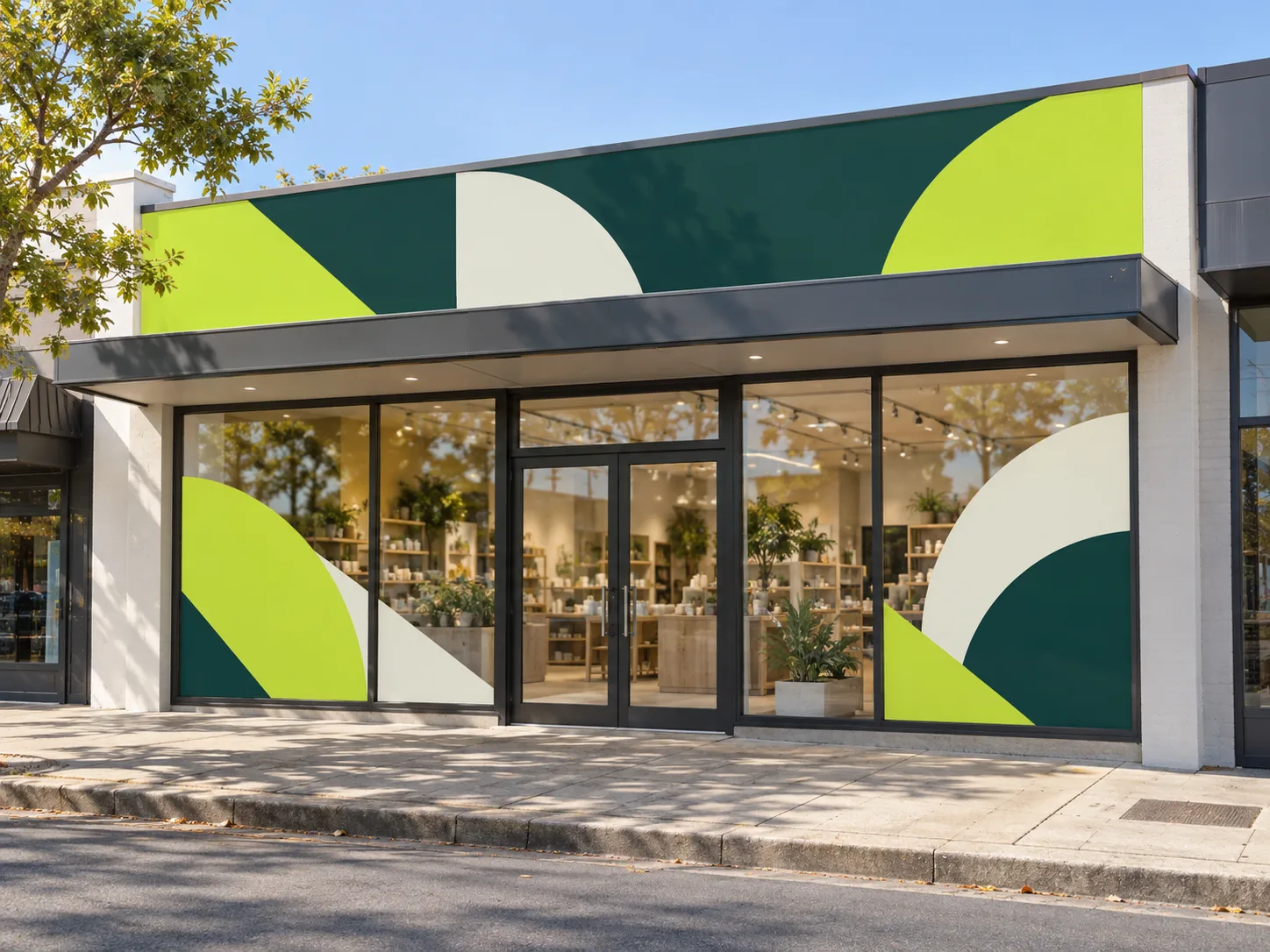
The hinterland main streets — Maleny, Montville, Nambour's older core — and pockets of the coastal centres carry character and heritage considerations that tighten the signage rules. On these frontages the conversation is about how the sign meets the building: applied lettering, hanging signs under awnings and window graphics tend to sit comfortably where a large illuminated box will not. All of those are things we make, and they photograph better anyway.
What the application involves
If your sign is assessable, the council will want to see exactly what is proposed: dimensioned drawings, the sign's position on the building, materials and finishes, and illumination details if it is lit. Approval runs in weeks, not days — almost always longer than fabrication — so start it before you order.
Your landlord or body corporate is a separate approval. Council sign-off is not the building owner's permission, and most commercial leases require written approval before anything is fixed to the structure.
What we can do
We make the sign, and we can supply what an application usually needs: dimensioned drawings, a scaled elevation showing the sign on the building, and the materials and finishes. Ask when you book your site measure and we will produce them as part of the quote.
For an early conversation with the council, the free add dimensions to a photo tool is often enough — photograph the shopfront, draw the proposed sign on it with real measurements, and take that to the call.
If the sign needs approval, that timeline runs alongside ours rather than after it. Tell us at the site measure and we will schedule fabrication around it.
Common questions
What people ask before they order
Does a sign on a heritage building need approval?
Often it does, even where the same sign would be exempt elsewhere, because exemptions narrow or disappear on heritage items and in conservation areas. Sunshine Coast Council decides for your address, so ask it directly with the sign’s size, position and whether it is lit.
Do I need a permit for an A-frame on the footpath?
Usually yes. A footpath is council-controlled land, so an A-frame outside your shop is normally covered by a permit under Sunshine Coast Council’s own rules rather than by your own approval, with conditions on size, position and keeping the path clear. Check its website for the footpath or A-frame requirements before the sign goes out.
When does a sign approval take effect, and how long does it last?
From the date on the decision notice, with conditions, including how long you have to act on it before it lapses. That period is on the notice itself, so read it before you order; if the sign has changed from the one approved, ask the council whether the approval still stands.
Signage and printing in Sunshine Coast
Once you know what you can display
Related
Last updated .