City of Sydney · orientation, not planning advice
Does your sign need approval in the City of Sydney?
The City of Sydney covers the CBD and the inner ring around it — Surry Hills, Darlinghurst, Redfern, Glebe, Pyrmont, Alexandria and their neighbours. It is one of the most tightly regulated signage environments in the country, because almost every street in it is either a busy public domain, a heritage conservation area, or both. Assume your sign needs checking, then be pleasantly surprised.
In one paragraph
The City of Sydney assesses signs against its Signage and Advertising Structures Development Control Plan 2005 — published in 2005 and, on the council’s site, last modified in September 2020 — on top of the state exempt-development standards. A sign that meets the state standards for its type may need no approval at all; one that does not is a development application, and the DCP is what the council assesses it against.
Rules change and this page is general orientation only — confirm with your council before you order anything.
Last reviewed September 2026. Rules change and this page is general orientation only — confirm with the City of Sydney before you order anything.
Is your sign exempt?
The first question, and the cheapest one
NSW has state-level exempt development provisions that let some smaller, unlit business identification signage go up without consent — but the exemptions depend on the sign's size, position, illumination and zoning, and they narrow or disappear on heritage items and in conservation areas. In this council area that last clause does a lot of work: large parts of the City of Sydney sit inside conservation areas, so an exemption that applies two suburbs away may not apply to your street.
The only reliable way to know is to put your exact sign, at your exact address, in front of the council. Search the City of Sydney's website for “signage” and their development control plan, or call their duty planner and ask directly: “Is this exempt development, or do I need consent?”
Once you know what you are allowed to display, the shopfront signage page is where the making starts — measured on site, then quoted.
The signs this applies to
Made in NSW, proofed before they run

What tends to trigger approval here
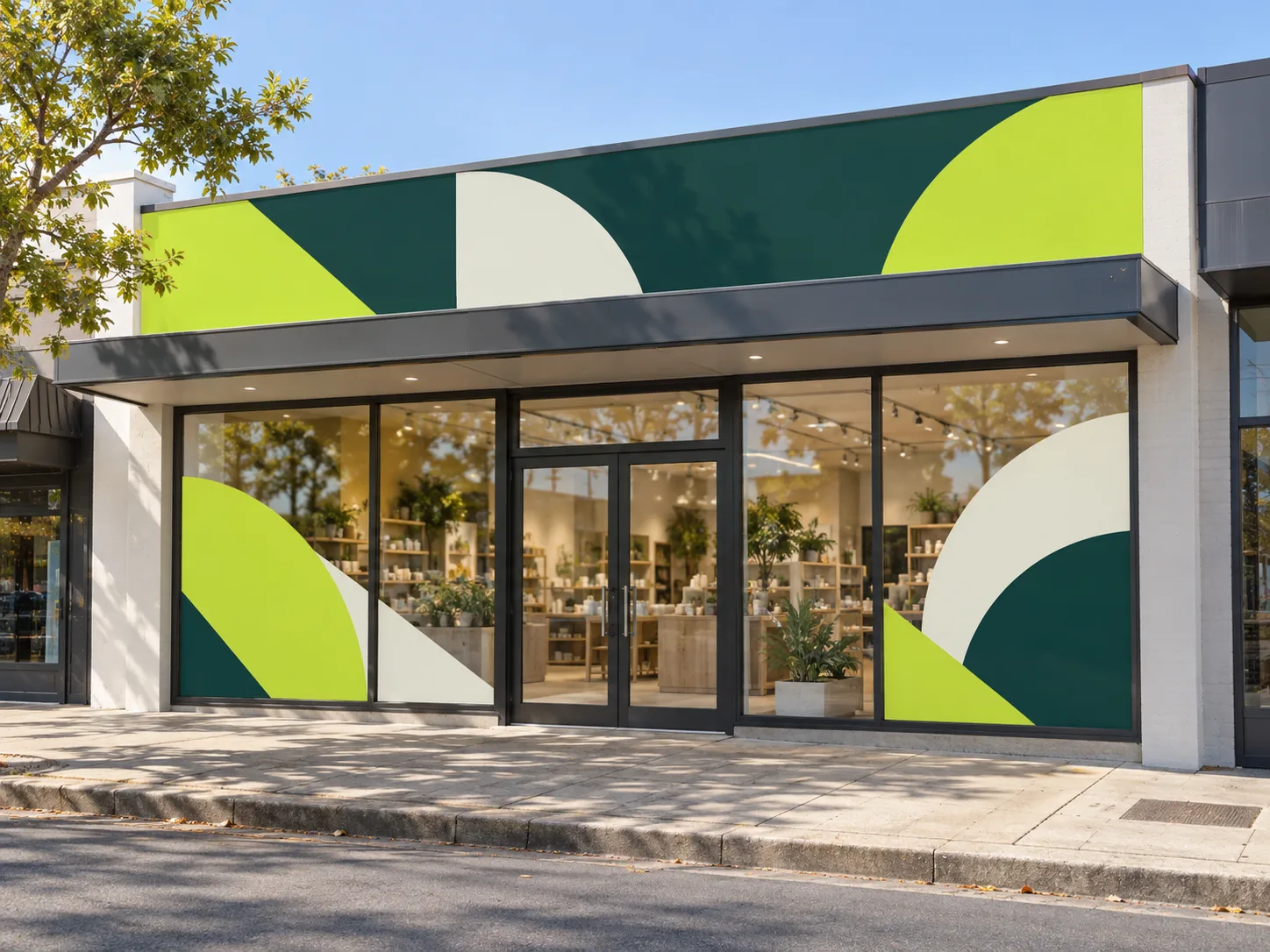
- Anything fixed to a building — fascia panels, projecting signs, illuminated boxes, fabricated letters — is the most regulated category, and in the city centre it is scrutinised against the streetscape, not just the building.
- Illumination. A lit sign is a different question from an unlit one, and moving, flashing or changeable displays are more restricted again — especially near residential floors, which in this council area are usually directly above the shop.
- Footpath signs. A-frames sit on some of the busiest public footpaths in Australia, and the City of Sydney manages its footpath space closely. Expect rules about placement, clear passage and permits before you put an A-frame outside the door.
- Upper-level and rooftop signage is treated far more strictly than ground-level shopfront signage almost everywhere, and the city centre is no exception.
Heritage, which is the big one in this LGA
The City of Sydney has a dense concentration of heritage items and conservation areas — terrace shopfronts in Surry Hills and Glebe, warehouse conversions in Pyrmont and Alexandria, and much of the city core. On a heritage item or in a conservation area, exemptions that would otherwise apply often fall away, and the council will care about how the sign meets the building: fixing methods, materials, and whether original fabric is disturbed.
This is not a reason to give up on good signage — heritage streets are full of approved, handsome signs. It is a reason to ask first, because the answer shapes what we make: a painted or applied-letter sign that sits within an existing fascia is a different proposition from an illuminated box that replaces it.
What the application involves
If your sign does need consent, the council will want to see exactly what is proposed: dimensioned drawings, the sign's position on the building, materials and finishes, and how it is illuminated if it is. Approval runs in weeks, not days, and it is almost always the longest part of the job — longer than fabrication and installation combined.
Your landlord or strata is a separate approval again. Council consent is not permission from the building owner, and most commercial leases require written approval before anything is fixed to the structure. Get both before you order.
What we can do
We make the sign, and we can supply what an application usually needs: dimensioned drawings, a scaled elevation showing the sign on the building, and the materials and finishes. Ask when you book your site measure and we will produce them as part of the quote.
For an early conversation with a planner, the free add dimensions to a photo tool is often enough on its own — photograph the shopfront, draw the proposed sign on it with real measurements, and you have something concrete to ask about.
If the sign needs consent, that timeline runs alongside ours rather than after it. Tell us at the site measure and we will schedule fabrication around it.
Common questions
What people ask before they order
What is the City of Sydney’s signage DCP?
It is the council’s Signage and Advertising Structures Development Control Plan, the document its planners assess a sign against, alongside the state rules on exempt development. It covers things like how big a sign can be, where it can go on a building, whether it can be lit and how it should suit the building. The link to the council’s own copy is in the summary at the top of this page; read the current version there, because rules change.
Does a sign on a heritage building or in a conservation area need approval?
Often it does, even where the same sign would be exempt in another suburb, because the exemptions narrow or disappear on heritage items and in conservation areas, and much of the City of Sydney is one or the other. The council decides for your address, so ask it directly, with the sign’s size, position and whether it is lit. The heritage section above says what that tends to change about what we make.
Do I need approval for an A-frame or other sign on the footpath?
A footpath sign sits on council-controlled land, so it is normally dealt with by the council’s footpath permission rather than by your own planning approval, with conditions on size, position and keeping the path clear. Check the council’s website for its footpath or A-frame requirements before the sign goes out.
Signage and printing in Sydney
Once you know what you can display
Related
Last updated .