NSW · orientation, not legal advice
Election corflute signs in NSW: what to check before you order
An election sign answers to two separate authorities, not one: planning law decides whether you need council consent and how big it can be without it, and electoral law decides what has to be printed on the sign itself, regardless of size. Get either wrong and the sign comes down, or worse, becomes evidence in a complaint. This page is what to check before you order — not a substitute for checking.
In one paragraph
Election signs are one of the categories the NSW Planning Portal lists as exempt development, meaning no council consent, provided the sign meets the size and placement standard for its type — commonly cited around 0.8m² in urban zones and up to 3.75m² in rural zones, though the figure that applies to a specific property is the council’s to confirm. Separately, and regardless of size, the NSW Electoral Commission requires electoral material to carry an authorisation statement naming who authorised it. Both requirements apply at once, and neither substitutes for the other.
Rules change every cycle and this page is general orientation only — confirm the current limits with your council and the current wording with the Electoral Commission before you order anything.
Last reviewed September 2026, ahead of the NSW state election on 13 March 2027. What a campaign prints for it, and when to order.
Two rules, two regulators, both apply
Planning law says how big, and where. Election signage sits inside the same exempt-development framework as real estate boards and temporary event signs — the state sets standards, and a sign that meets them needs no council consent. Exceed the size, put it somewhere the standard does not cover, or leave it up past the window, and it stops being exempt.
Electoral law says what has to be printed on it. This applies to every piece of electoral material, corflute included, whatever its size and wherever it stands. Material without a compliant authorisation statement can be ordered to be taken down, and a candidate or party can be penalised for material that lacks one — the size exemption above has no bearing on this at all.
A sign inside the size limit with no authorisation line is still non-compliant. A sign with a correct authorisation line but over the size limit still needs consent it does not have. Check both, separately.
What we print for this
Proofed before they run
Start from a free design
Corflute signs · edit it online
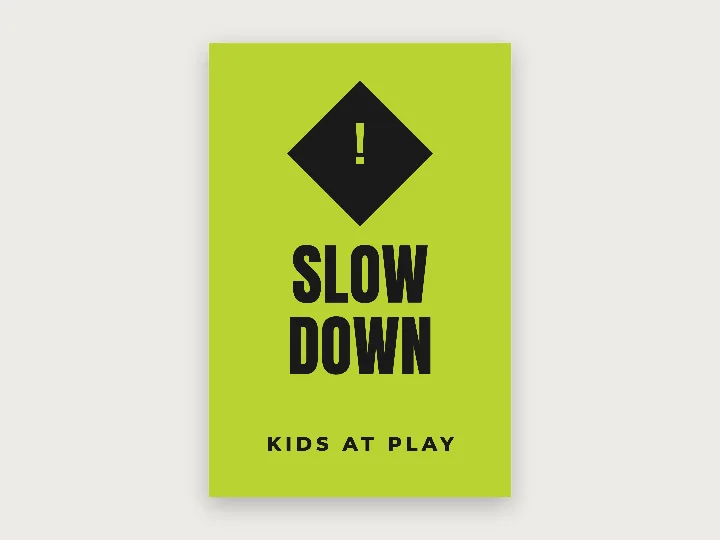
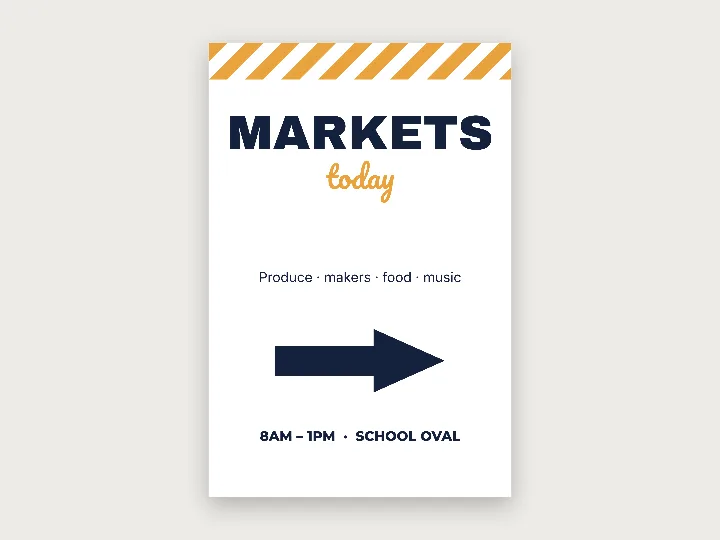
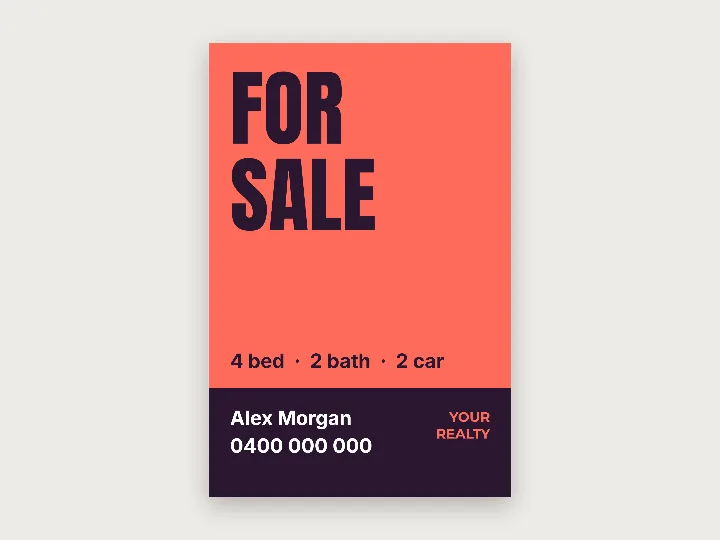
What to confirm before you order
Five things, and who to ask each one
- The size limit that applies to your posting locations. Urban and rural zones are commonly treated differently, and some councils publish their own election-signage page with the figure stated plainly — search "[your council] election signs" before calling.
- The exact authorisation wording. The Electoral Commission publishes the required form of words, and it differs for a registered party, an unregistered group and an individual candidate. Get this from the Commission’s own page for the election you are contesting, not from a previous campaign’s sign — wording requirements do change between elections.
- Where signs may go, and where they may not. Public land near polling places is typically restricted on polling day itself under separate rules again, and road authorities regulate anything near a carriageway on safety grounds independent of both the planning and electoral rules above.
- The display and removal window. Most frameworks that allow election signs without consent tie that permission to a period around the election, with signs to be removed within a set number of days afterward. A sign left up past that window can lose its exempt status even if everything else about it was compliant.
- Landowner consent, for anything on private property that is not your own — a supporter’s fence or a business frontage. This sits alongside the planning exemption, not inside it; exempt development still requires the landowner’s permission to install.
What we print, and where the authorisation line goes
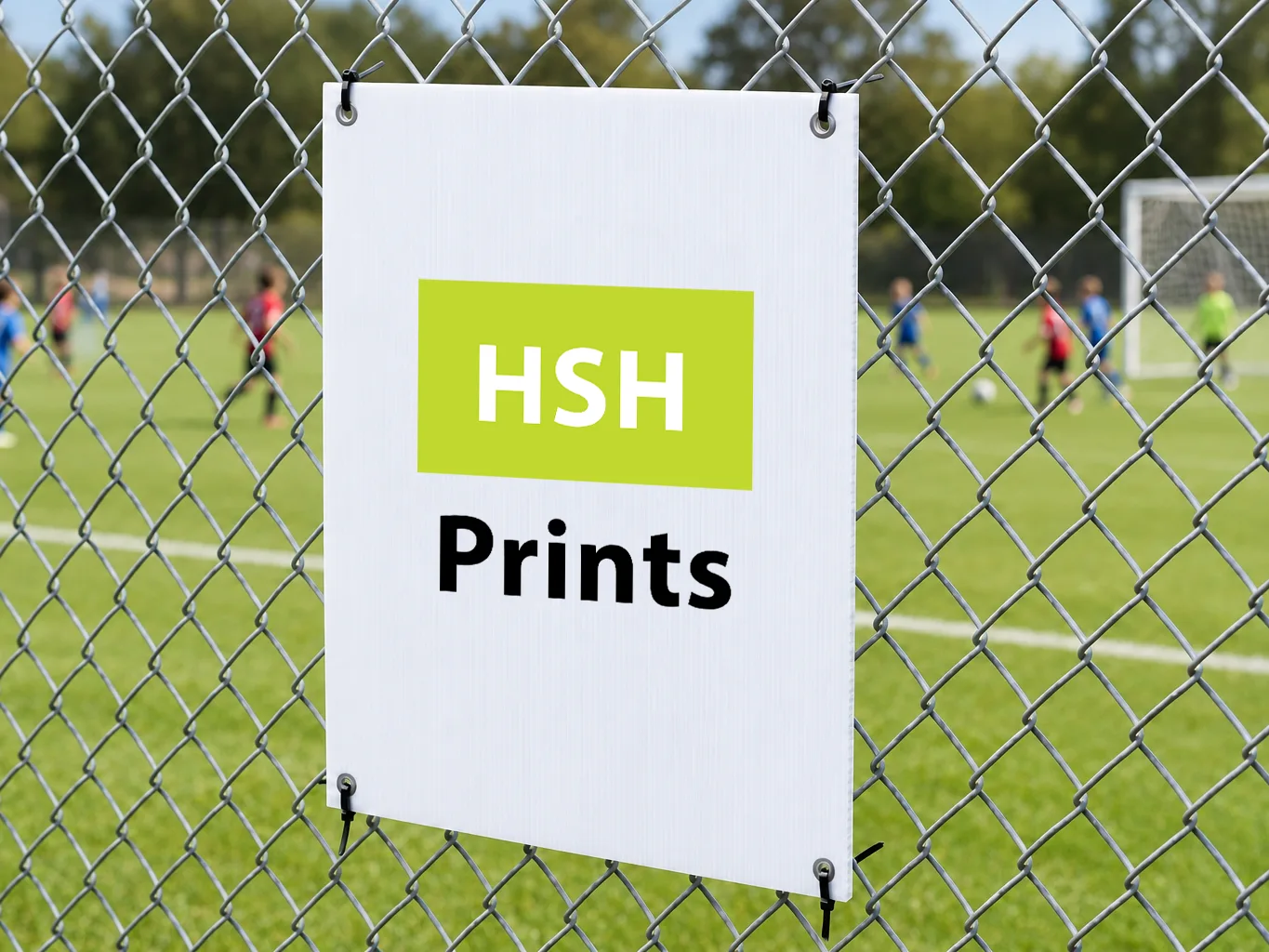
Election signs are ordinary corflute — the same 5mm board real estate and construction signage is printed on, in the same sizes. 600 × 900mm is the standard board; the free template has the trim and safe area already marked. The authorisation statement is text in your artwork like any other line, not a separate product or a stamp we add afterward — set it in the layout at a size that stays legible at the sign's real-world reading distance, and keep it inside the safe area the template marks so it survives the router cut.
Printing both sides is worth it for anything free-standing and visible from two directions — a sign on a verge or a median reads from both approaches, and a one-sided sign facing the wrong way is a sign nobody sees.
What it costs at campaign volume
The same price list, at the quantity a campaign actually orders
| Signs | Each | Total, delivered |
|---|---|---|
| 5 | $32 | $160 |
| 10 | $24.70 | $247 |
| 15 | $19.60 | $294 |
| 20 | $17 | $340 |
| 25 | $15.40 | $385 |
| 30 | $14.30 | $429 |
Signs are sold in fives up to thirty, and a campaign run above that is quoted — at a few hundred boards the run and the delivery are worth pricing by hand. Delivery is included in this price — Australia-wide, with no freight line at the cart and nothing added later. Allow 1 to 2 working days longer outside NSW, QLD and VIC. Your complete delivered price is confirmed before you pay. Printed in 2-4 working days from payment, which is worth planning around: a campaign print run typically lands in the weeks before the election, and that is also when every other candidate in the state is booking the same presses. See the full price list or ask for a quote on a run this size.
Common questions
Do election signs need council approval in NSW?
Often not, if the sign meets the size and placement standard the NSW Planning Portal sets for exempt development — commonly cited around 0.8m² in urban zones and up to 3.75m² in rural zones, though the figure for a specific site is the council’s to confirm. A sign that exceeds the standard, or sits somewhere the standard does not cover, needs consent like any other sign.
What has to be printed on an election sign?
An authorisation statement naming who authorised the material, in the form the NSW Electoral Commission requires for the election being contested. This applies regardless of the sign's size or where it stands, and is separate from any planning exemption — a sign can be the right size and still be non-compliant if the wording is missing or wrong.
How long can election signs stay up?
Frameworks that allow election signs without council consent typically tie that permission to a window around the election, with removal required within a set number of days afterward. Confirm the exact window with your council; a sign left up past it can lose its exempt status.
What size are election corflute signs?
600 × 900mm is the standard board, the same size used for real estate and site signage, and the one the free template is drawn to. Confirm this fits the size standard your council applies before ordering at volume.
How much do election signs cost?
Five 600 × 900mm signs are $160 including GST and delivery, falling to $14.30 each at thirty. Signs are sold in fives up to thirty; a campaign run above that — the usual few hundred — is quoted, with a written price, GST and delivery included. See the full corflute price list.
Can I get signs printed both sides?
Yes, for $8.80 more per sign — worth it for anything free-standing on a verge or median, which is read from two directions. A one-sided sign facing the wrong way reaches nobody.
Related
Last updated .