Guide · signage
How much does shopfront signage cost?
In Australia, shopfront signage costs from about $1,200 for a flat fascia panel on a wall you can reach, to about $9,000 for illuminated 3D letters that need a lift and an electrician. The sign itself is often not the biggest part of the bill; the wall, the height and the power are.
In one paragraph
The cheapest shop sign is a flat aluminium composite (ACM) panel on the fascia, or cut vinyl on the glass. Prices climb with fabricated letters (priced per letter), light boxes and anything illuminated, which adds an LED driver and a licensed electrician. Then come the costs people forget: access (ladder, scaffold or scissor lift), the fixings your wall needs, the landlord’s consent and, sometimes, council approval. Anyone quoting a firm price without seeing the wall is guessing, so get it measured.

Shopfront sign types, cheapest to dearest
Most shop signs are one of five things. In rough order of cost, for the same frontage:
| Sign type | What it is | Where it sits on price |
|---|---|---|
| Window vinyl | Your name, hours and phone cut from vinyl and applied to the glass | Lowest; quoted by the area of glass, and often applied by the owner |
| Flat fascia panel | A printed ACM panel, 3–6mm, fixed to the band above the windows | The bottom of the $1,200–$9,000 range on an accessible wall |
| Fabricated letters | Individual acrylic or aluminium letters fixed to the wall | Middle; priced per letter, so a long name costs more than a big one |
| Light box | A lit cabinet, single or double sided, often projecting from the wall | Middle to high; needs power and an electrician |
| Illuminated letters | Face-lit or halo-lit 3D letters | The top of the range, especially at height |
The range is wide because two shops with the same sign can have very different jobs. A panel at 2.4m on a render wall is an afternoon with a ladder; the same panel at 6m over a busy footpath may need a lift, traffic control and a permit.
What we print for this
Proofed before they run
What actually sets the price
- Access and height. Ladder, scaffold or scissor lift. This moves the install cost more than the sign moves the making cost.
- Illumination. LED adds fabrication, a power supply and a licensed electrician to connect it. No power within reach adds cabling on top.
- The wall. Brick, render, timber and composite cladding all take different fixings, and some walls cannot take a fixing at all without the landlord’s say-so.
- Size and letter count. Panels price by area; fabricated letters price per letter, so “Smith’s Family Butchers” costs more than “SMITH” at the same height.
- Council approval. Often not needed, sometimes essential; when it is, it brings its own fee and its own timeline.
The costs people forget
- Taking the old sign down, patching the fixing holes and making good the wall.
- Landlord or strata consent. Most commercial leases need it in writing before anything is drilled.
- A council application, if your sign falls outside the exempt rules: see the NSW and Queensland approval guides.
- Design. A sign is read in two seconds from across the road, which is a different job from a business card. Budget for the artwork if you have only a logo file.
- After-hours install where the footpath cannot be blocked during trading.
How to get more sign for your money
- Choose a flat panel over fabricated letters if the budget is tight; a well-designed ACM fascia looks sharp for years.
- Size it for the street, not the wall. Letters only need to be big enough for the distance people read from; sign sizes and viewing distance gives the figures. Bigger than that is money spent on aluminium nobody reads.
- Pair the fascia with window vinyl. Hours, phone and website on the glass at eye height do the close-up work cheaply; see window signs for shops.
- Check council first, so you are not paying to redesign a sign that would not be approved.
- Send a photo with measurements before anyone visits. The free add dimensions to a photo tool marks up a square-on shot of your shopfront in your browser.
Why shopfront signs are quoted, not priced online
A printed banner can be bought in two minutes because nothing about your building changes what it costs. A sign bolted to a building is different: the fascia turns out to be 400mm shallower than the plans say, there is no power within fifteen metres, or the landlord will not allow fixings into the render. A price given before anyone has seen the wall is a price that changes later.
Our shopfront signage starts with a photo, then a site measure, then a rendered mock-up of the sign on your actual building with a fixed written quote: a number, not a range. Signs are made and installed across NSW and QLD, with any electrical work done by a licensed electrician.
Common questions
How much is a shop sign in Australia?
As an indicative range, about $1,200 for a flat fascia panel on an accessible wall up to about $9,000 for illuminated fabricated letters at height. Window vinyl on its own usually costs less than either. It is a range, not a quote: the wall, the access, the lighting and any approval all move it.
What is the cheapest type of shopfront sign?
Cut vinyl lettering on the glass, then a flat printed ACM panel on the fascia. Both need no power, and window vinyl can often be applied by the shop owner.
Why are illuminated signs so much more expensive?
They add the LED modules and power supply, a more involved build, and a licensed electrician to connect them, and lit signs are more likely to need council approval. If the nearest power point is far from the sign, cabling adds to it again.
Do I need council approval for a shop sign?
Often not: in both NSW and Queensland many business identification signs are exempt or accepted development if they meet the conditions for their type. Illumination, heritage areas and signs over the footpath change the answer. Check with your council before you order; our NSW and QLD guides list what to ask.
What is a fascia sign?
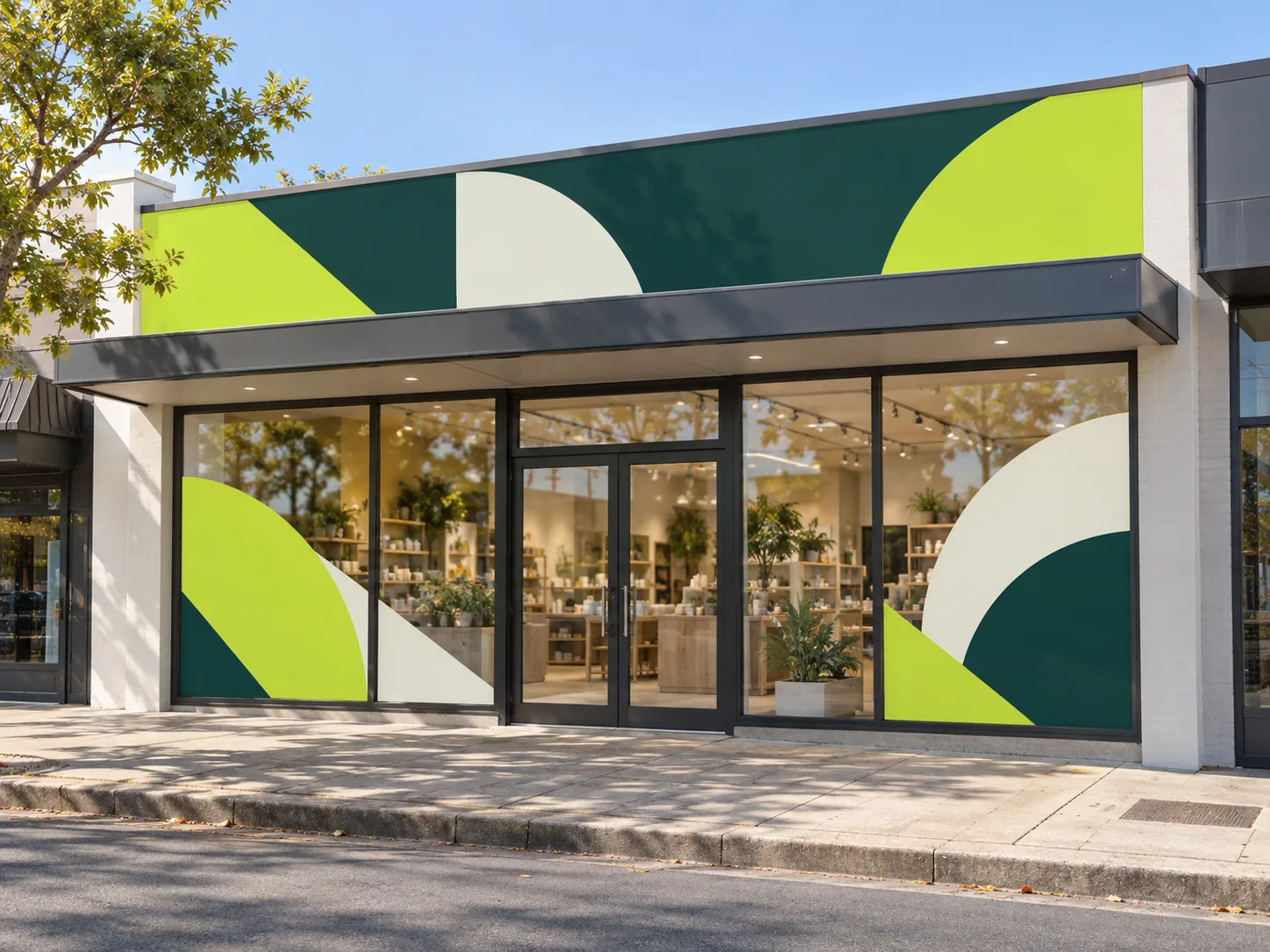
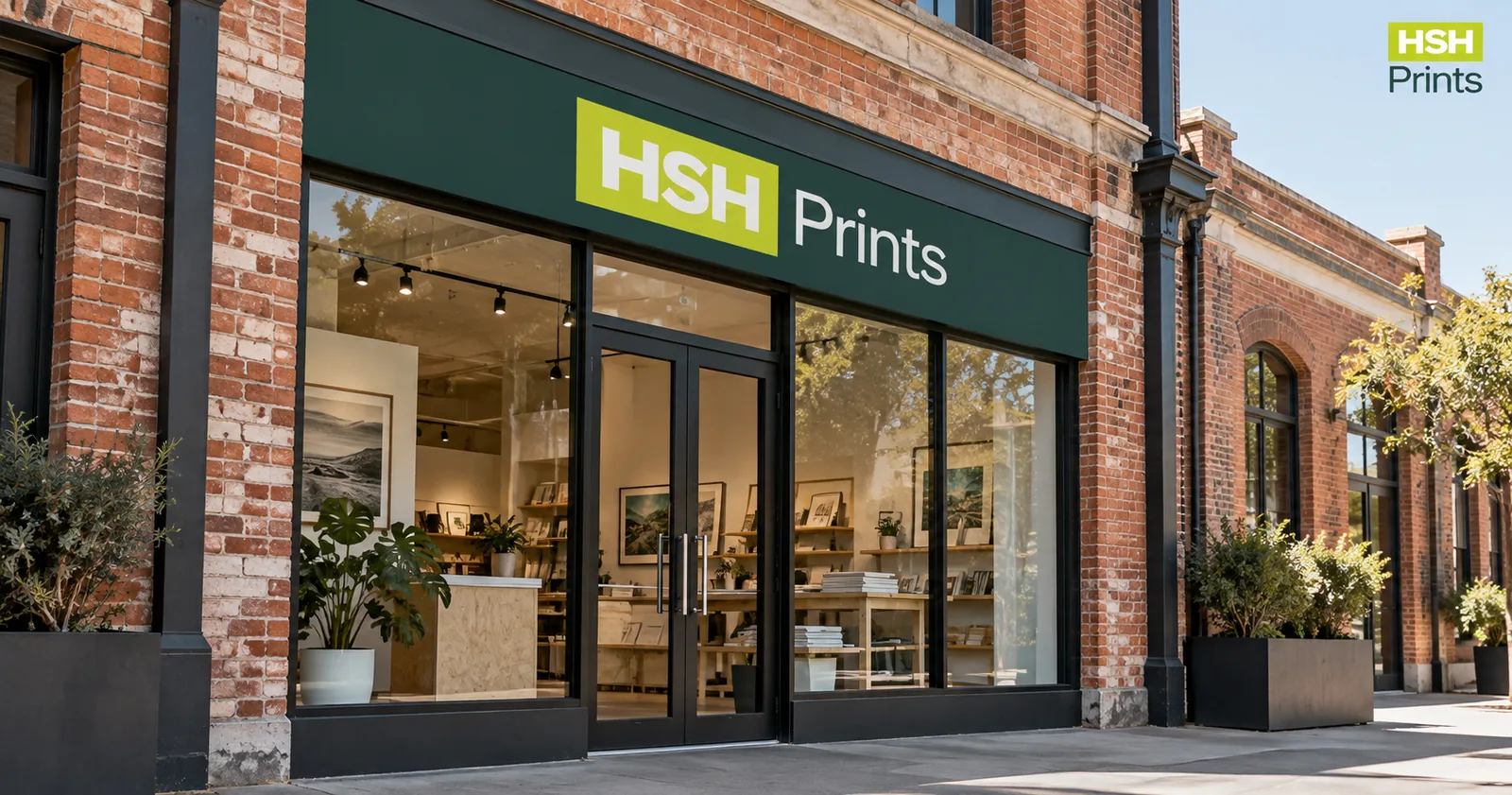
The sign on the fascia: the band across the top of the shop above the windows. It is usually a flat aluminium composite panel or individual letters fixed to the wall, and it is the sign most customers see first.
Does a shop sign need landlord approval?
Almost always, if you lease. Most commercial leases require the landlord’s written consent before anything is fixed to the building, and exempt signs in NSW need the landowner’s written consent too. Ask early; it is the step most likely to hold a sign up.
Related
Last updated .